
Cart
0
You may also like

If you’re deciding between a lab-grown diamond and a mined diamond, you’re asking the right question.
Not:
“Which one is cheaper?”
But:
“Which one actually makes sense?”
This guide breaks down the real differences — visually, financially, and long-term — so you can choose with clarity, not pressure.

Short answer: No.
Long answer: Not even experts can tell without advanced equipment.
Same chemical composition (carbon)
Same crystal structure
Same hardness (10 on Mohs scale)
Same brilliance, fire, and sparkle
Even professional gemologists cannot distinguish them by eye.
🔬 The only difference is origin, not appearance.
Formed underground over billions of years
Extracted through large-scale mining
Supply controlled by a few corporations
High environmental and ethical cost
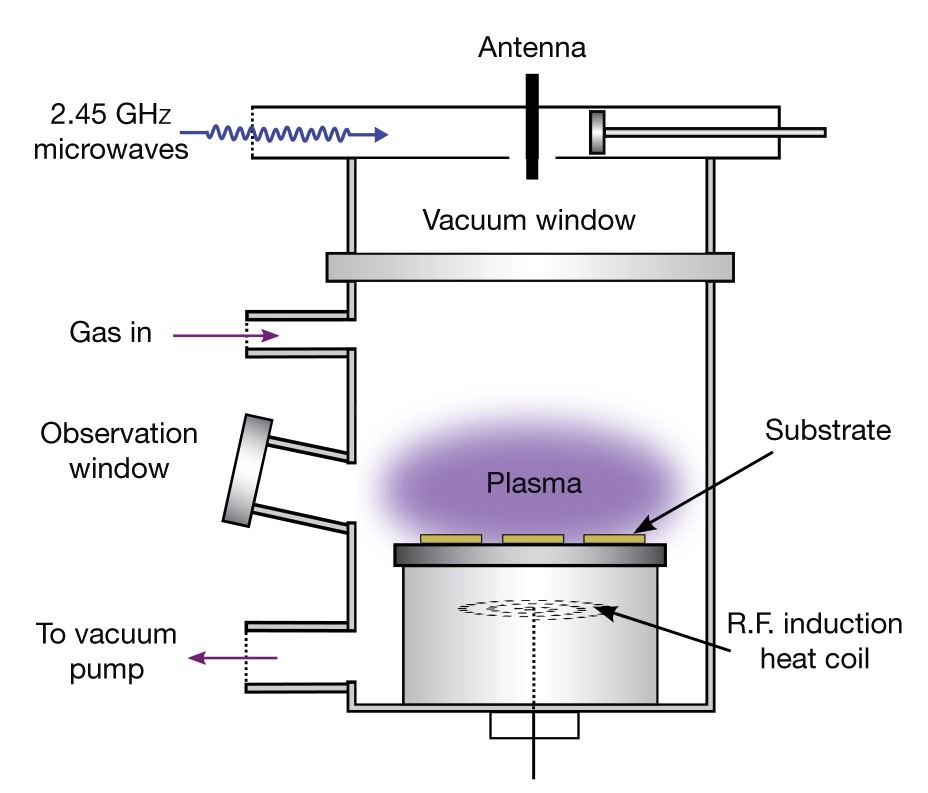
Grown using HPHT or CVD technology
Created in weeks, not centuries
Fully traceable origin
No mining, no conflict, no uncertainty
Same result. Completely different journey.
This is where most buyers have their “aha” moment.
Lab-grown: 30–60% less
Mined: Pays for rarity narrative, not quality
Larger carat size
Higher clarity
Better cut
Custom settings
Wedding bands, travel, or savings
You’re not buying “less diamond” — you’re buying less markup.
Let’s be honest.
Mined diamonds do not appreciate
Retail diamonds lose value once purchased
Resale market is limited for both
The idea that mined diamonds are “investments” is a marketing myth, not a financial reality.
Emotional meaning
Daily wearability
Confidence in purchase
Money not overspent
Modern buyers prioritise lived value, not resale fantasy.

Many buyers don’t start here — but they end here.
Environmental damage
Displaced communities
Complex supply chains
Vague “conflict-free” claims
Fully transparent origin
No mining impact
Controlled production
Clear certification
Ethics isn’t a trend anymore — it’s an expectation.
Here’s what matters:
Both lab-grown and mined diamonds must be certified
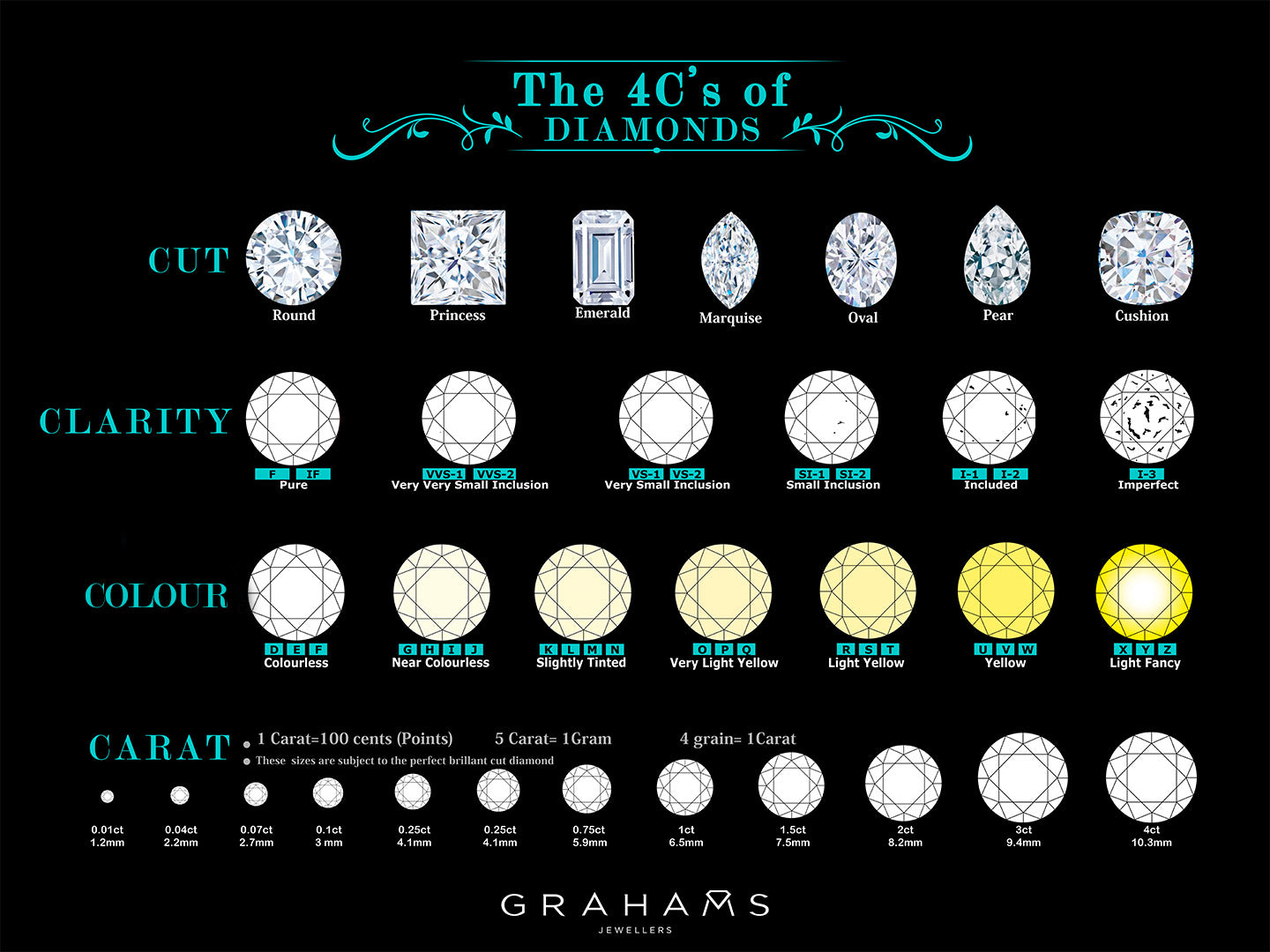
IGI and GIA grade them using the same 4Cs
Reports confirm authenticity and quality
A certified lab-grown diamond meets the same grading rigor as a mined one.
No shortcuts. No compromises.
| Feature | Lab-Grown Diamond | Mined Diamond |
|---|---|---|
| Visual Appearance | Identical | Identical |
| Chemical Structure | Identical | Identical |
| Price | 30–60% less | Significantly higher |
| Ethics | Transparent | Variable |
| Certification | IGI / GIA | IGI / GIA |
| Resale Value | Limited | Limited |
| Buyer Control | High | Low |
Choose mined diamonds if:
Geological origin matters deeply to you
Budget is not a concern
You prefer traditional narratives
Choose lab-grown diamonds if you value:
Intelligence over tradition
Bigger, better quality for your budget
Transparency and ethics
Modern luxury without pressure
There is no wrong choice — only an informed one.
In 2026, buyers are:
Research-driven
Value-conscious
Ethics-aware
Less influenced by outdated prestige
That’s why lab-grown diamonds aren’t a trend — they’re the new default.


FIRST TIME OFFER?
Subscribe to our newsletter & receive a complimentary gift 🎁
By completing this form you confirm that you would like to receive an email containing your complimentary gift. You can unsubscribe at any time.


